
Quality Cable Ties for Every Project Need

cable ties zip ties

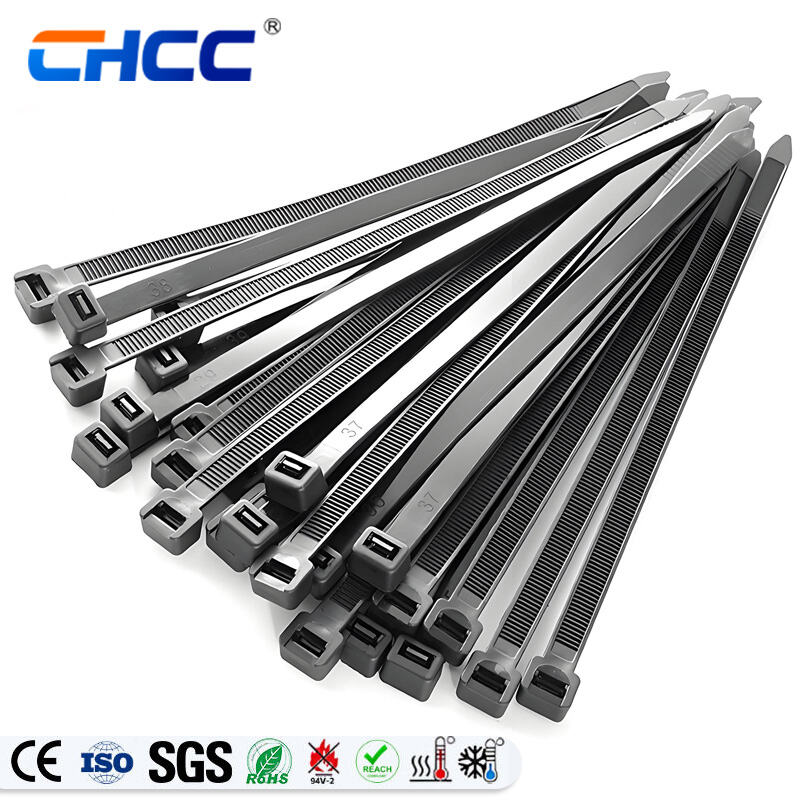
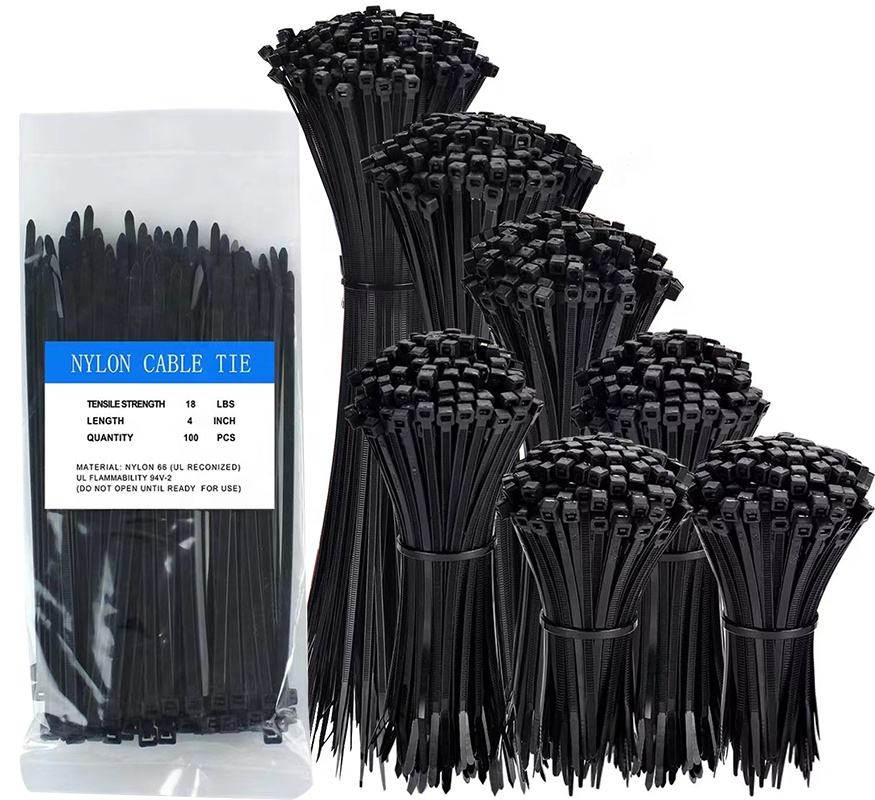
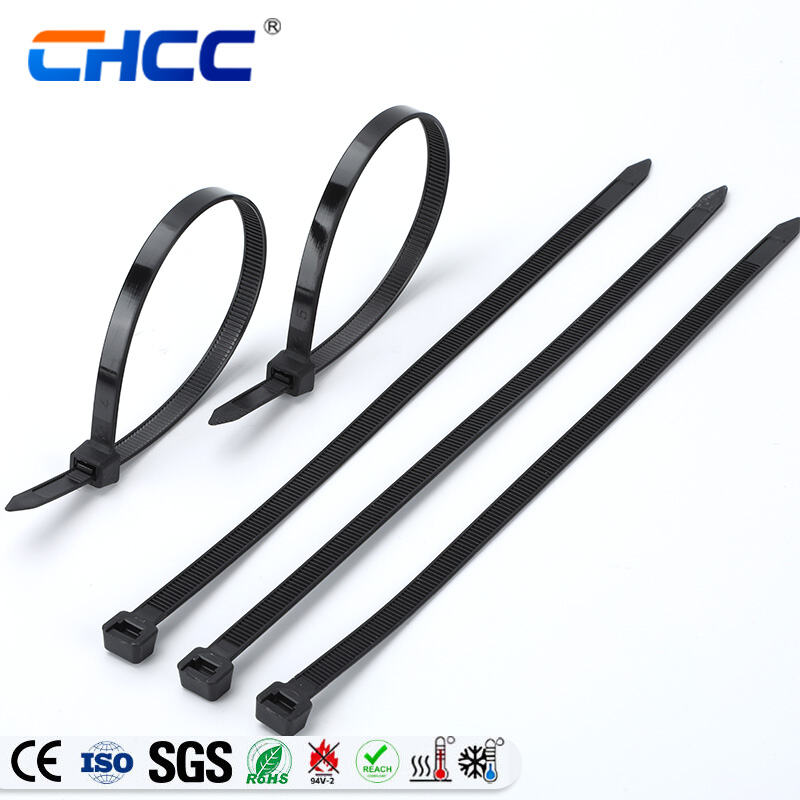
Cable ties, also known as  zip ties, are handy tools  that help us keep things organized and secure. They are made of strong plastic and come in various sizes. You can use  them for many tasks, like bundling cables, keeping items together, or even fixing things around the house. The best part is that they are easy to use. You just pull the  end through  a  small loop, and it locks in  place. This makes it simple for anyone to use, whether you are a child helping with chores or an adult working on  a project. At CHCC, we know how important it  is to have reliable tools, and cable ties are definitely one of them.

Using cable ties in  your  projects offers many benefits. First, they are very strong. If you need to bundle cables or hold  something tightly,  cable  ties can  do the job well. They hold heavy items together without breaking easily. This strength is important when you have a lot of wires or equipment, and you want to keep everything neat  and  safe. Second, they are very fast to use. When you are in a hurry or working on a big  project, you can quickly tie things together without needing tools. You just  pull  and lock!
What Are the Key Benefits of Using Cable Ties for Your Projects?

Another great thing about cable ties is that they come in different colors and sizes. This means you can choose the  right one for your project. If you want to  color-code your cables, you can use red for power cables and blue  for data cables. This helps you find the right cables easily. Plus, they are flexible. You can use them in tight spaces  or for different shapes. That’s super useful when you’re working with things that are not flat. For instance, using Flat Rivets Black White Plastic Nylon Barbed Rivets R Type can help secure cables in unique configurations.

Cable ties, also known as zip ties,  are handy tools used to organize and secure cables,  wires, and other items. However, many people  make mistakes when  using  them.  One common mistake is using the wrong size. If a cable tie is  too small, it won’t fit around the items you want to  bundle. On the other hand, if it  is too big, it may not hold them tightly, and the items could slip out. To avoid this mistake, always check  the size of the cable tie before using it. Another mistake is  pulling the cable tie too tight. While you want it to be  secure, making it too tight can cause damage. For example, if you are bundling  wires, pulling the  tie too much can break the wires inside. A good rule is to pull it snugly but not so much that you feel it is going to  break.


Frequently Asked Questions

What materials are your cable ties made of?

We produce cable ties in nylon, Teflon, polypropylene (PP), biodegradable materials, and stainless steel to suit various strength and environmental needs.
Yes. Our factory supports custom lengths, widths, tensile strengths and a wide range of colors to meet client specifications and application requirements.
Yes. We hold ISO and CE certifications, and maintain strict quality control across production to ensure reliable performance and consistency.
Lead time varies with order size and specifications, but our 10,000 m² facility supports high-volume production; contact us with details for an accurate timeline.
Yes. We can supply samples for evaluation. Please request sample types and quantities so we can arrange shipping and confirm any associated costs.

Related product categories

Where to Find the Best Wholesale Cable Ties at Competitive Prices?

Where to Find the Best Wholesale Cable Ties at Competitive Prices?

It’s also important to  choose the right  type  of  cable tie for the job. There are many types of cable ties made for different conditions. Some  are made for  outdoor  use and  can handle  rain and sunlight, while others are for indoor use  only.  If you use an  indoor cable tie outside, it may become weak and break. Always check the labels to choose the right one. Lastly,  some people forget to cut  off the  excess part of the cable tie. Leaving the  sharp end sticking out can be dangerous. It can poke someone or snag on something. Instead, use scissors to cut off the extra part, making  sure it is safe and  neat. By avoiding these common mistakes, you can use cable ties more  effectively and keep your projects  safe and organized. At CHCC, we want you to have the best experience with our products!  For your projects, consider our IP68 Waterproof Nylon Cable Gland PG Type for Industrial Electrical Equipment Wiring for reliable connections.

What Are the Common Mistakes to Avoid When Using Cable Ties?

What Are the Common Mistakes to Avoid When Using Cable Ties?

Cable ties can  be very useful, but in harsh  environments like extreme heat or cold, their lifespan can shorten. To make your cable ties last longer,  there are a few tips you  can follow. First, choose the right  material. Some cable ties are made  of nylon, while  others are made of stainless steel. For very hot places, stainless steel ties  are  better  because they won’t  melt.  If you  are  in a cold area,  look for cable ties that can handle low  temperatures without  becoming brittle. Checking the temperature ratings  on the  package can help you choose the  best one.

How to Maximize the Lifespan of Your Cable Ties in Harsh Environments?

How to Maximize the Lifespan of Your Cable Ties in Harsh Environments?

Another important tip is  to protect the cable  ties from direct sunlight.  If they are exposed to  UV rays  for a long time, they  can become weak and break. You can  use covers  or place them in shaded  areas to help  prevent this. If you are  using  cable ties outdoors, consider using UV-resistant ties. This will  help them last longer in sunny conditions.  Also, avoid using cable ties in places where they are likely  to rub against sharp  edges. If they are constantly  being scratched or cut, they will break down faster. If you  need  to secure items near sharp edges, try adding padding  or protective covers to reduce wear and tear.