How to Choose the Right Heat Shrink Tubing for Industrial Applications
Picking the perfect heat shrink tubing for factory work is a big deal. It is not always as easy as it looks. You can’t just grab any tube; you need to think about what it will do. First, consider the environment where it will be used. Will it be exposed to extremely high temperatures or very cold conditions? CHCC cable shrink wrap tubing can handle extreme temperatures, while others become brittle in the cold or melt if exposed to too much heat. We have seen projects where choosing the wrong tubing caused major problems later.
For applications near engines, you need something that can handle high temperatures, such as high-temperature polyolefin tubing. If the tubing will be exposed to oil or chemicals, you should choose a material that resists those substances, such as fluoroelastomer. It’s just like choosing clothes for the weather—you wouldn’t wear shorts during a snowstorm.
Then, size matters. Make sure the tubing is the correct size before shrinking it over the object you want to protect. If it is too large, it won’t shrink tightly enough and may leave gaps. If it is too small, you won’t even be able to install it. For wire bundles, the tubing should be large enough to slide over all the wires but small enough to shrink securely around them. CHCC offers a wide range of sizes, from tiny tubing for electronics to large tubing for heavy industrial cables.
Another thing to consider is the level of protection you need. Do you only need to keep dust away, or do you need protection from abrasion caused by constant rubbing? Some tubing is specially designed to resist abrasion, making it perfect for rough industrial environments. Many customers assume that any tubing will work, but poor-quality tubing often wears out quickly, leaving wires exposed.
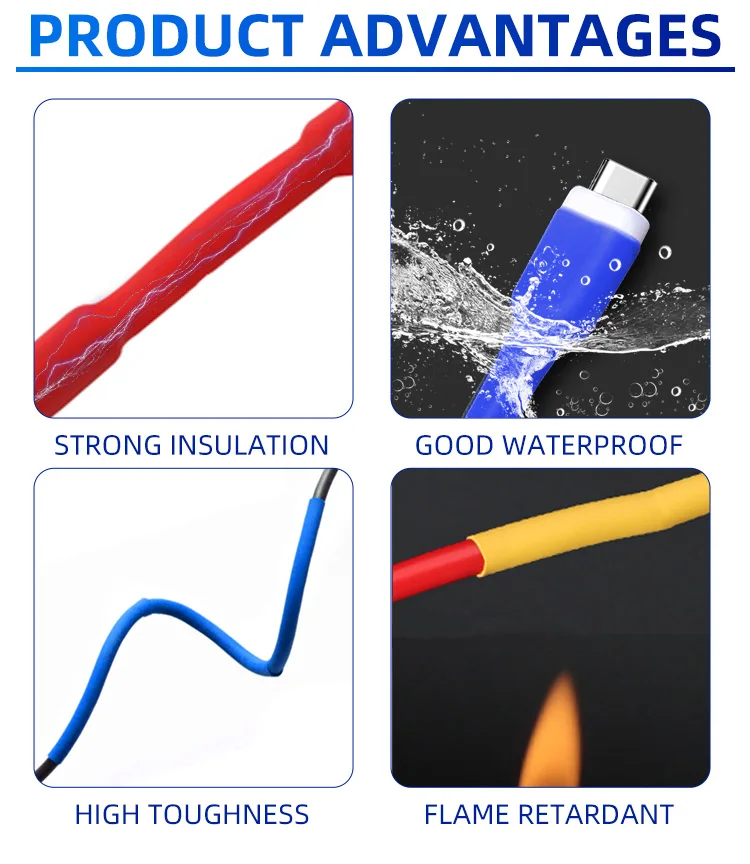
You should also think about electrical insulation. Some applications require tubing that can safely insulate high-voltage connections. You never want the tubing to fail while electricity is flowing through the wires. CHCC sleeving heat shrink meets strict safety standards to provide dependable insulation.
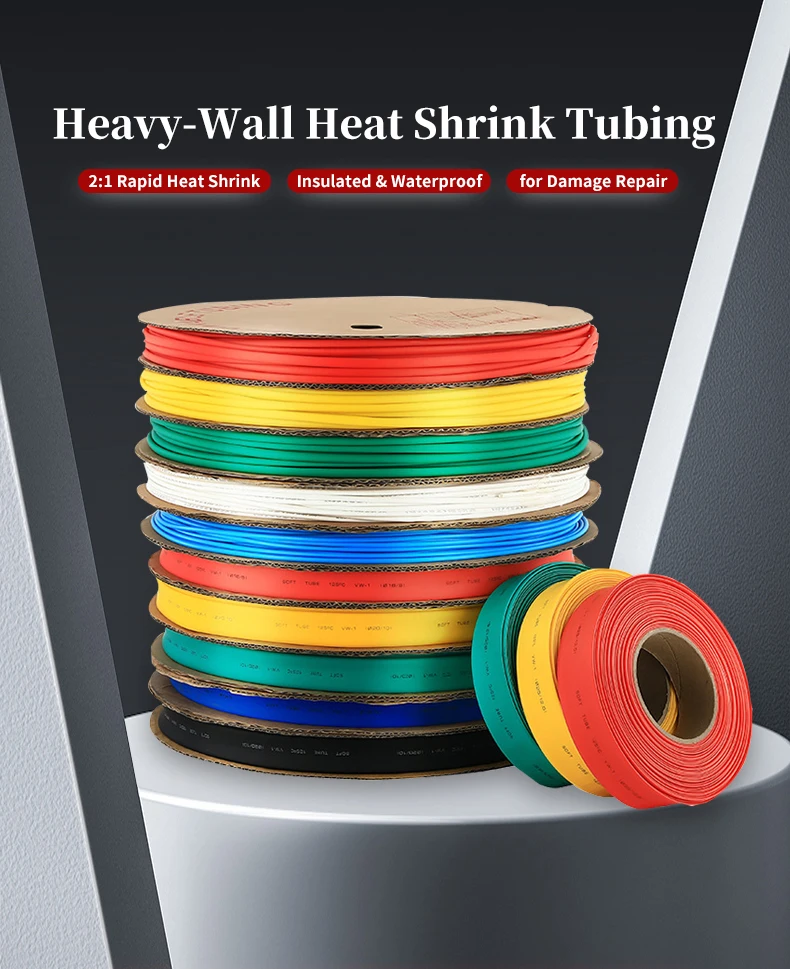
Flexibility is another important factor. After shrinking, should the tubing remain flexible, or is a rigid finish acceptable? If the protected cables move frequently, flexible tubing is the better option because it bends without cracking. CHCC provides different materials to match various applications. Color is also useful. Different colors make it easier to identify wires during maintenance or repairs. In large electrical systems, color coding improves safety and saves time.
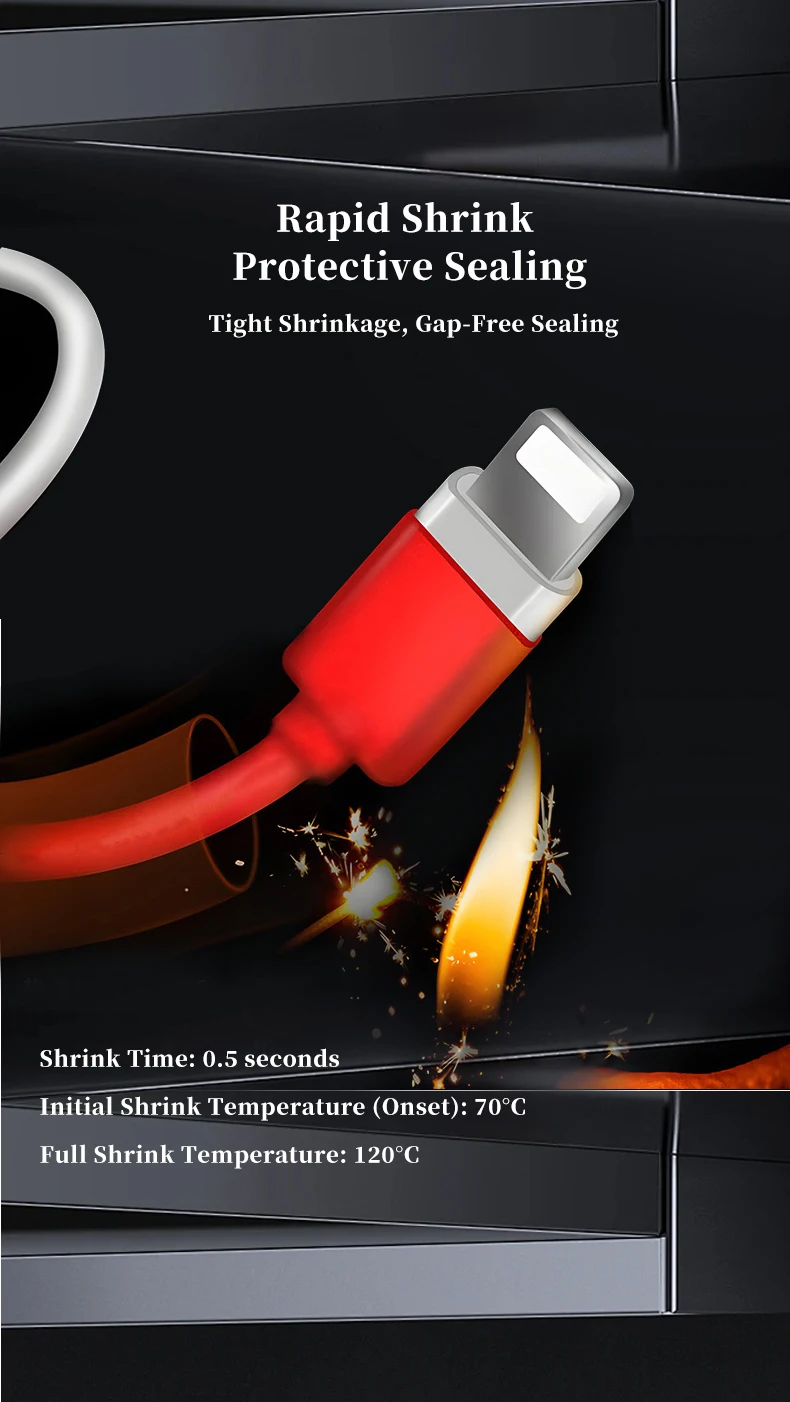
Finally, consider how you will apply the heat. Some tubing shrinks at lower temperatures, while others require higher heat. Most users apply it with a heat gun, but some industrial applications use specialized equipment. CHCC helps customers choose the right tubing so every application stays protected and performs reliably. Choosing the right tubing today helps avoid expensive problems tomorrow.

 EN
EN