
Expansion Plugs: Industrial & Project Solutions

Expansion plugs

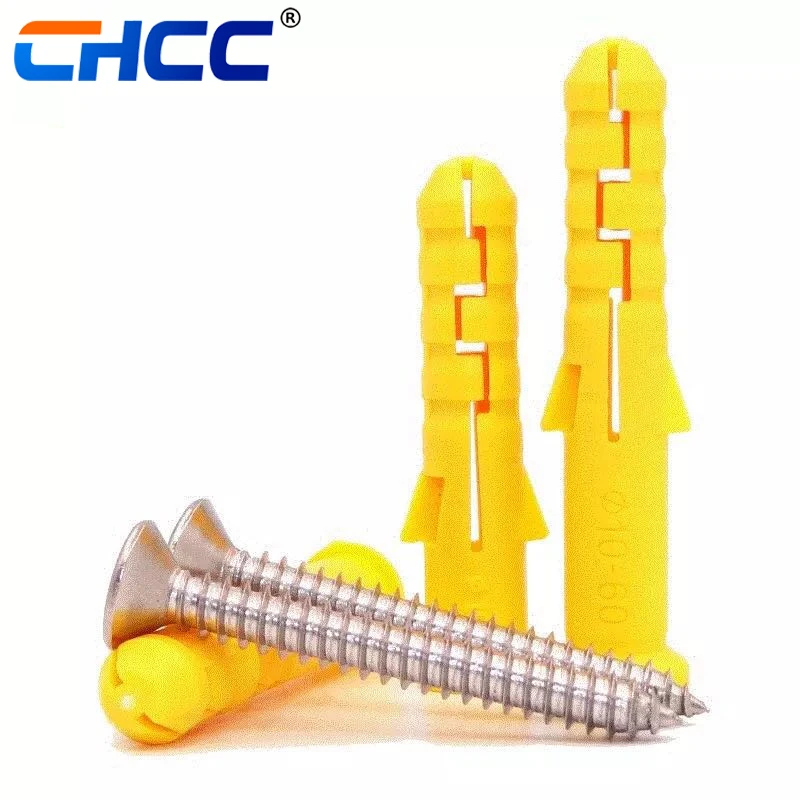
When you gotta seal holes or connect stuff securely in tough factory jobs, expansion plugs are super useful. Think of them as specialized fixing plugs that act as special stoppers that get bigger when you tighten them, making a real tight fit. These are not your everyday home plugs; they are heavy-duty wall anchors built tough for factories and big projects. CHCC makes these plugs, and they are exceptionally good at it. They know that in industrial places, things must be strong, last a long time, and work perfectly every time. That is why CHCC puts so much care into engineering their high-quality expansion plugs. They understand a small part like a plug can cause big trouble if it fails, so they make sure each unit can handle extreme pressure and rough environments. CHCC expansion plugs and heat shrink wrap tubing are designed to be reliable, which is a big deal when you build or fix big machines or buildings. It is like having a trusty friend who always does a good job.

Our Products

Discover High-Quality Expansion Plugs for Industrial Applications

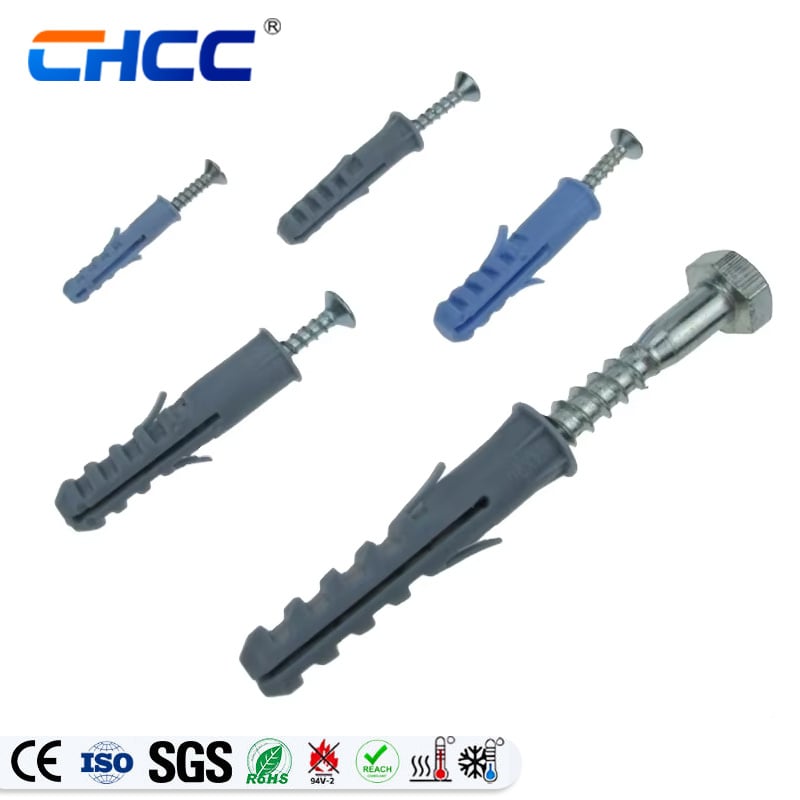
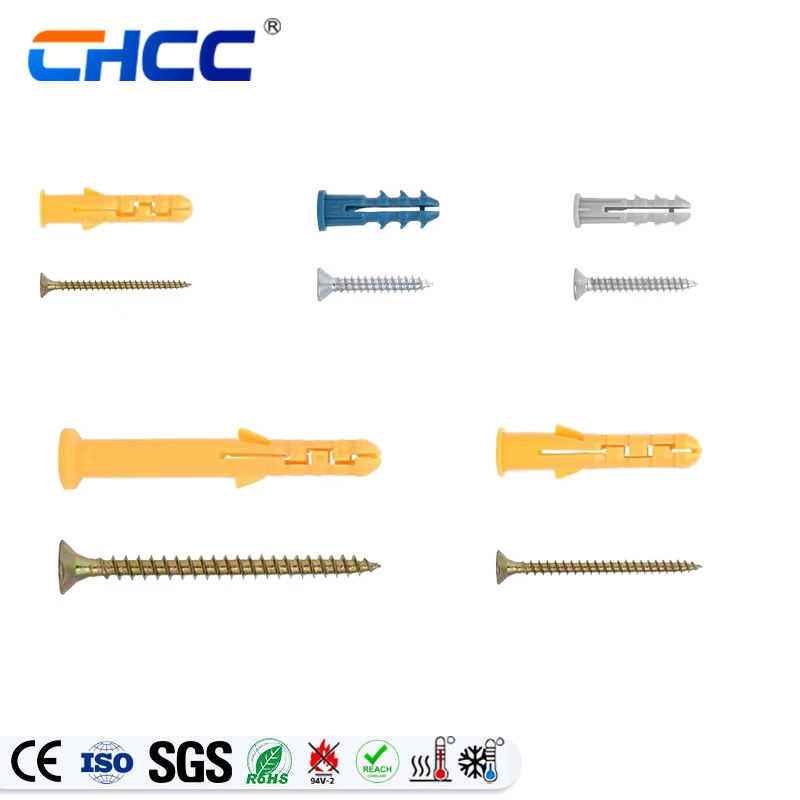
Picking the perfect CHCC expansion plugs for your work is important, and you shouldn't just grab the first one you see. You really have to think about what you are trying to accomplish. First, what material are you plugging or anchoring into? Is it metal, concrete, plastic, or something else? Different base materials have different strengths and textures, so fixing plugs that work well in one material might not work in another. For instance, if you are working with a thin metal sheet, you need a gentle expansion that won’t tear the material. CHCC offers specialized wall anchors and fixing plugs optimized for various wall thicknesses and base materials so you can find the perfect match. The size of the hole matters immensely as well; the CHCC product catalog, like the heat tubing, covers a wide range of sizes, from tiny options to massive configurations to fit any structural requirement.


Frequently Asked Questions

What materials are your expansion plugs made from?

Our expansion plugs are available in nylon, Teflon, PP, biodegradable options and stainless steel to suit various applications and environments.
Yes. We manufacture under ISO and CE certified processes to ensure consistent quality and performance.
Yes. Our 10,000 m² factory supports high-volume production to meet bulk orders for global clients.
We offer customization for sizes, colors and packaging to meet client specifications. Contact sales with your requirements.
Our plugs serve construction, electrical, plumbing, automotive and industrial fastening needs where secure anchoring is required.

Related product categories

Choosing the Right Expansion Plugs for Your Projects

Choosing the Right Expansion Plugs for Your Projects

Then, carefully consider the specific environment where your hardware will be deployed. Is the installation area constantly wet, exposed to extreme hot or cold temperature fluctuations, or subject to harsh chemical wash-downs? Outside installations demand rust-resistant, weatherproof hardware that can withstand UV exposure and heavy rainfall, while industrial factory grease, lubricants, and corrosive oils require resilient materials that won't break down or degrade over time. To solve these challenging problems, CHCC provides an extensive selection of protective surface coatings and premium base materials. For example, they utilize marine-grade stainless steel for maximum rust resistance and specialized engineered polymers for robust chemical protection, making their products excellent heavy-duty wall anchors for the most unforgiving environmental conditions. Beyond climate and chemical factors, you must also think critically about the physical pressure, dynamic vibration, and total weight that the connection must reliably hold. Supporting a simple, lightweight storage shelf requires basic hardware, which is vastly different from anchoring a heavy industrial machine that shifts and vibrates continuously during factory operations. Reviewing the detailed product descriptions and technical data sheets for CHCC expansion plugs will give you the exact tensile and shear load capacities. Having access to these precise engineering measurements is incredibly helpful, as choosing the wrong specification or mis-calculating the structural stress can quickly lead to costly downtime and catastrophic structural failures. Fortunately, CHCC gives you all the fine details and technical data required so you can make an informed, safe choice based on your project's specific environmental needs and select the perfect fixing plugs for long-term security.
Troubleshooting Common Expansion Plug Installation Issues

Troubleshooting Common Expansion Plug Installation Issues

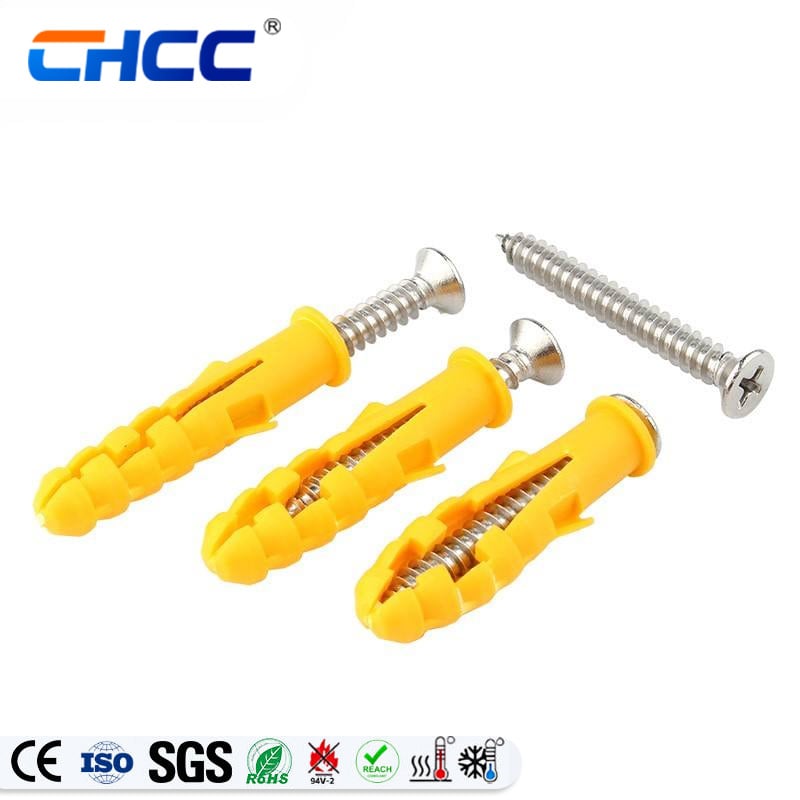
How do these industrial expansion plugs work? The mechanism is actually quite simple. Most are made from a rubber-like flexible material designed to expand outwards. When you push it in, the plug is initially smaller than the hole. The magic happens because of the integrated screw inside the assembly. As you turn the screw, it pushes outward and forces the rubber sleeve to spread much bigger. This presses hard against the internal edges, creating a tight seal with absolutely no leaks. CHCC designs these fixing plugs and tie mounts to be easy to use, delivering a flawless seal without requiring complex specialty tools. They are the perfect stop for plumbing leaks, concrete holes, and car engines, acting as adaptive wall anchors that adjust precisely to the size of the cavity.


What Are Expansion Plugs and How Do They Work?

What Are Expansion Plugs and How Do They Work?

Even the best CHCC expansion plugs might not give you a perfect fit on the very first try, but most common issues are incredibly easy to fix! For example, a common problem is when the plug does not seal tightly right away because the hole is dirty with trapped dust and debris. To fix this, always clean the hole thoroughly with a rag or a wire brush before inserting your CHCC fixing plugs. What if it is not expanding enough? Simply turn the internal screw a bit more to make the sleeve grow in size. However, be careful not to over-tighten it, as over-expanding can make it hard to insert or even damage the surrounding material. If the screw just spins and won’t tighten, the hole might be too big or the base material might be too soft and crumbling. In those cases, you will need to step up to a larger size of expansion plugs or switch to a different style of heavy-duty wall anchors to secure the connection safely.