 EN
EN
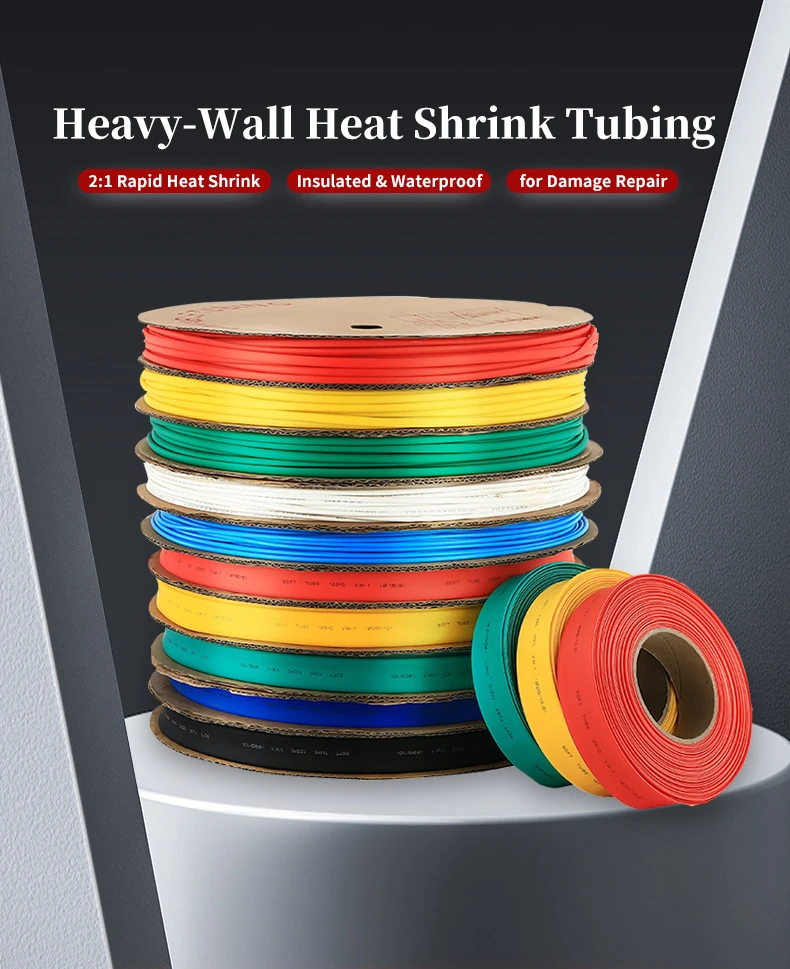
Heat tubing is like a special pipe that's really good at moving heat. Think of a radiator in your house, it warms a room using tubing to carry hot water. Or a car cooling system uses tubes to move coolant and keep the engine from getting too hot. CHCC makes these heat tubings, and they are important for machines and buildings to work right. They help keep things at the perfect temperature, whether to make them hot or keep them cool. It's a clever way to control warmth, and CHCC is good at making sure their sleeving heat shrink does the job well, every time. They know that when a part isn't working, it can cause big problems, so they focus on making tubes tough and dependable.
Common Heat Tubing Issues and Expert Troubleshooting
Even with the best heat tubing, things go wrong sometimes, and it is good to know the problems and how to fix them. A common issue is leaks, where fluid drips from the tubing. This happens if there is a crack or the connections are not sealed properly. CHCC says to check the connections first. Tightening a fitting may solve the problem. If it comes from the tubing itself, it may be damaged by a sharp bend or corrosion. Then replacing the section is usually the best option. Another problem is blockages. Like a straw with something stuck inside, liquid cannot flow. Debris, scale from water, or material solidifying inside can stop heat from moving, making the system less effective. If the heating is not hot enough, a blockage may be the reason. CHCC suggests cleaning or flushing regularly. If severe, use tools or replace the affected section. Overheating is strange for heat tubing, but if the wrong material is used, it can warp or melt. That's why material selection is critical. If you suspect this, the system may be too hot or the tubing may not be strong enough. CHCC can help pick a stronger cable protection one. Sometimes the issue is not the tubing, but a fan or pump problem. Look at the whole system to find the cause. Corrosion too can be a problem. Metals rust from chemicals and moisture, weakening them and leading to leaks. Using the right metal is key. Stainless steel is often better than regular steel. If you see corrosion, fix it quickly. Proper installation is important too. Installing it the wrong way can stress the material and cause early failure. Sharp bends and lack of support can create problems. CHCC advises proper installation to prevent this. A customer once had failures in exchanger tubing because of vibrations from machinery. CHCC provided vibration resistant nylon cable straps tubing, and the problem was solved permanently. This problem solving approach makes CHCC trusted.